Sun Radiology offers MRI Open—including weight-bearing, open, and tiltable MRI options—for patients who need detailed imaging in a more accessible, patient-friendly environment. Board-certified radiologist Manntej Sra, MD, and the team provide MRI Open alongside our MRI 3T and MRI Stand Up services at convenient locations in Peoria, Phoenix, and Glendale, Arizona.
Unlike traditional MRI scanners that require patients to lie inside a narrow tunnel, MRI Open systems feature a spacious design that helps reduce anxiety and improve comfort throughout the examination—while still providing the diagnostic information physicians rely on.
Explore open, weight-bearing, and multi-position MRI imaging at Sun Radiology. Click any image to zoom.
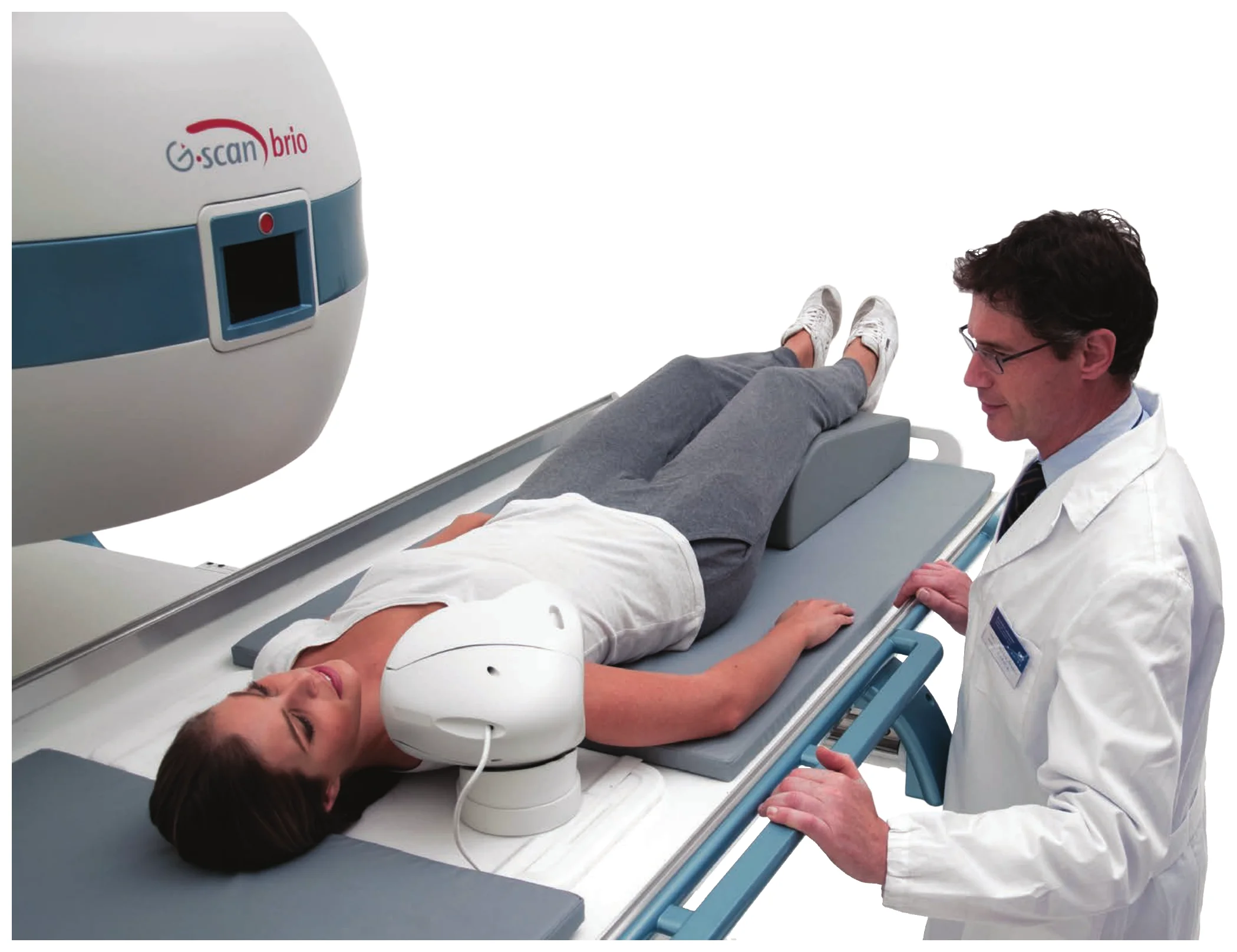
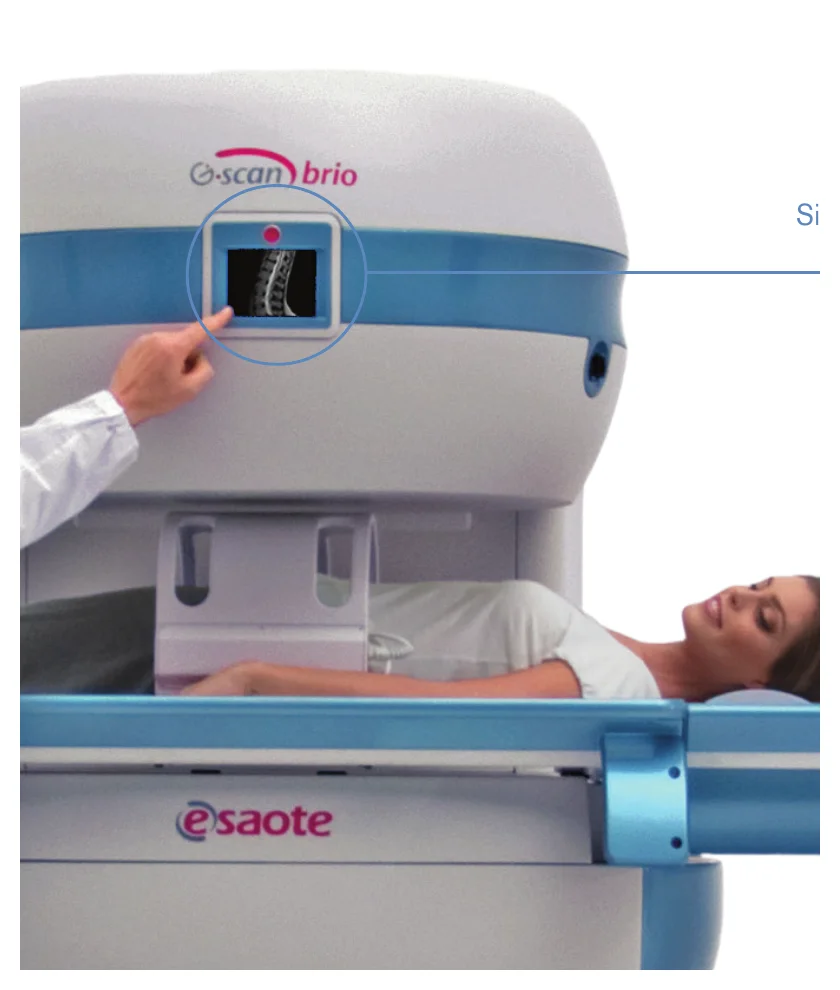
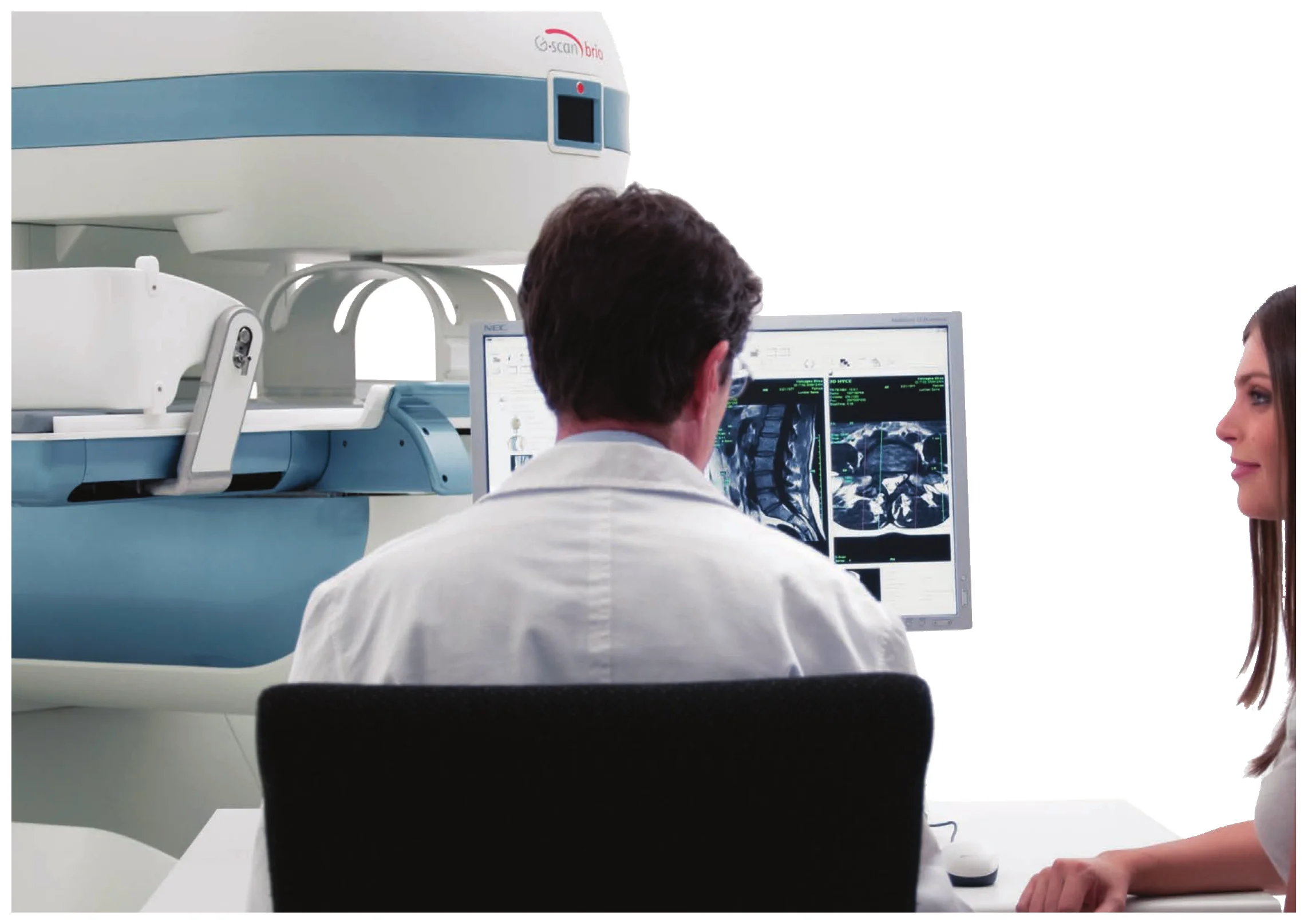
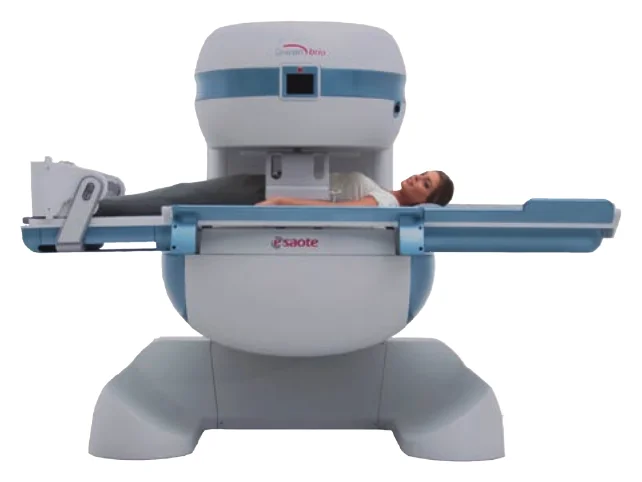
MRI Open (Magnetic Resonance Imaging) is an advanced diagnostic imaging modality that utilizes powerful magnetic fields and radiofrequency technology to generate detailed, high-resolution images of internal anatomical structures without ionizing radiation. Unlike traditional closed-bore MRI systems, MRI Open scanners feature a more accessible design that reduces patient confinement while maintaining excellent diagnostic capabilities.
The open configuration typically positions the magnetic components above and below, or alongside the patient, creating a less restrictive environment and improving patient tolerance during the examination. This design can be especially helpful for individuals who experience anxiety, claustrophobia, or discomfort in conventional MRI systems.
MRI Open is routinely used to evaluate a wide range of neurological, musculoskeletal, spinal, orthopedic, and soft tissue conditions, providing physicians with valuable diagnostic information for clinical assessment and treatment planning.
MRI Open may be especially appropriate for patients who:
By combining advanced imaging technology with a patient-centered design, MRI Open can enhance patient comfort, improve examination tolerance, and increase compliance while providing the diagnostic information physicians rely upon for accurate diagnosis and effective treatment planning.
For many patients, MRI Open offers a more comfortable and accessible alternative to traditional MRI systems while maintaining the high standards of diagnostic imaging required for quality patient care.
MRI Open helps physicians diagnose and monitor a wide variety of medical conditions, including:
Because MRI Open offers greater flexibility and patient accessibility, it is often the preferred choice for individuals who have difficulty completing a traditional MRI exam.
Our MRI Open systems can be used to evaluate:
Your comfort is our priority. During your examination, you’ll be positioned comfortably based on the type of study being performed. Depending on the exam, imaging may be performed while lying down, sitting, or standing. Unlike traditional MRI scanners, MRI Open allows you to remain in a spacious environment with a clear view of your surroundings throughout the procedure.
During the scan:
Key differences with MRI Open machines include no enclosed tunnel, more space and natural lighting to help reduce anxiety, the ability to see out and maintain a visual connection with the room, and—at Sun Radiology—the option for sitting or standing positions for greater comfort when clinically appropriate.
The open design helps reduce feelings of confinement and anxiety, making the experience easier for many patients.
MRI Open accommodates patients with mobility challenges, chronic pain, or difficulty positioning in traditional MRI scanners.
Select MRI Open systems allow imaging while sitting, standing, or under natural weight-bearing conditions, providing valuable diagnostic information for certain spinal and orthopedic conditions.
MRI technology uses magnetic fields and radio waves, not ionizing radiation, making it a safe and effective diagnostic tool.
Magnetic Resonance Imaging (MRI) creates detailed pictures of the body’s internal structures by capturing signals from tissues and converting them into diagnostic images through advanced computer technology. The process uses a powerful magnetic field together with carefully controlled radio waves to generate these signals.
Throughout your examination, a trained MRI technologist will continuously monitor you and remain available to assist whenever needed. The system includes a communication device that allows direct contact with the technologist during the procedure.
In some cases, your physician may request a contrast agent to improve visualization of certain tissues or structures. If you have any concerns before or during your MRI examination, please speak with your physician or a member of the MRI team.